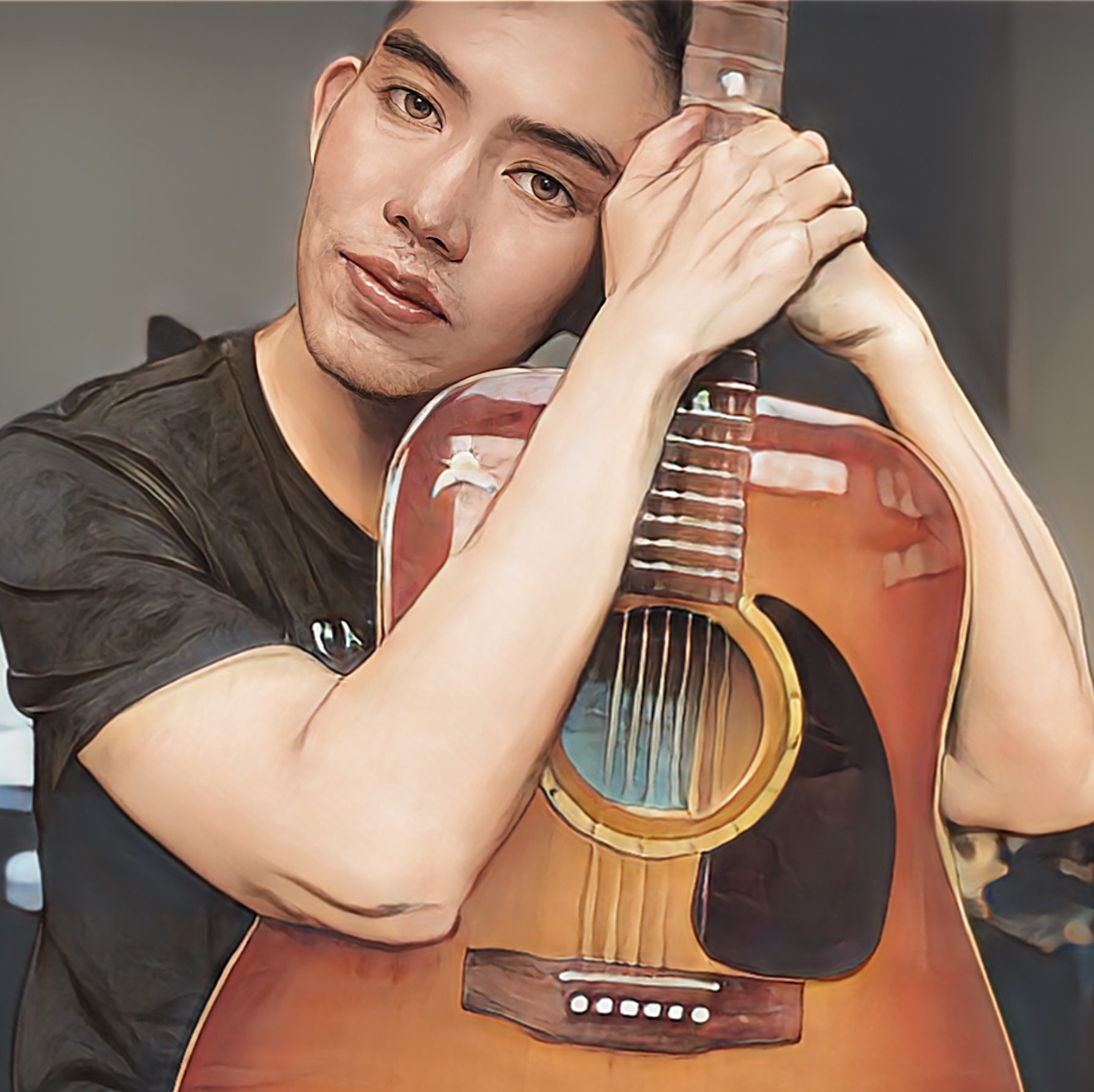
Lana Crow is an independent singer-songwriter blending indie-pop, rock, and synth-driven sounds with heartfelt storytelling. Originally from Kazakhstan, she began writing music after moving from London, UK to Southern Spain—a life transition that sparked a deep creative awakening. Her songs explore themes of love, resilience, and self-discovery, delivered through melodic hooks and emotional depth. With two albums—I Will (2024) and Live It (2025)—Lana invites listeners into an intimate, empowering sonic journey.
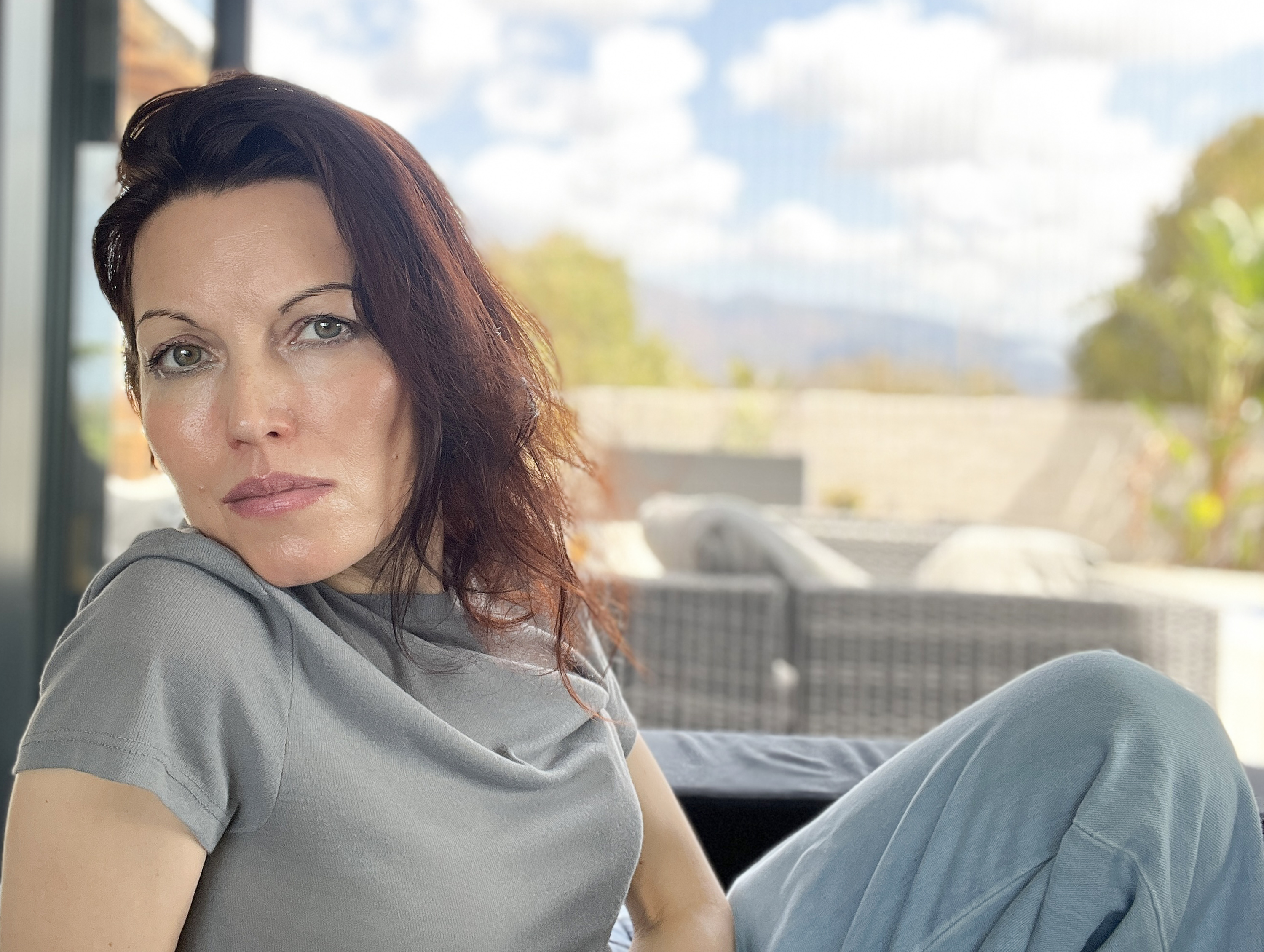
ABOUT LANA CROW
Where are you from and how did you get into music?
I was born in Kazakhstan, and it was my grandfather who first recognized my musical talent. He encouraged my mother to enroll me in a music school to study piano, which she did when I was around five years old. Unfortunately, my formal training was short-lived.
By the time I was seven, I began experiencing serious health issues and spent a significant amount of time in hospitals over the next couple of years. After that, I didn’t return to music school. Life became increasingly difficult, and I had to take on more adult responsibilities at a young age, which left little room for music or other pursuits.
I returned to music decades later, after moving between several countries and setting up a family. It was completely unexpected. One early morning, I had a dream and woke up with the tune and lyrics so vivid in my head that I felt I needed to record them immediately. I wrote my first song right then and there, but I had no idea what to do with it. I still had my keyboard, which my grandma had gifted me years ago, but I hadn’t used it in many, many years. I really didn’t know where to start.
I felt compelled to try and get the song released, though, and the whole process took two years — partly because I was completely unfamiliar with the process, partly because the music scene in Spain is very different from, say, the UK, USA, or Canada, and partly because everything moves very slowly here.
My first producer alone took over a year to get the track ready. At the time, I didn’t know I could hire a producer online. As I said, I had zero knowledge on the topic and pushed through only because I felt the song might have some significance.
In addition to being a vocalist, you’re also an accomplished pianist. Aside from the piano, what other instruments do you play?
I play piano and keyboard however my knowledge of notation is very basic. I hardly remember anything from music school, so my songwriting is very intuitive – there is no real formula behind it. When I send a track to a producer online, I don’t even know how to write out chords properly. I just list the notes I’m using in each chord, and luckily, the producers seem to be fine with that.
Who are your favourite musical artists and musical influences, both past and present?
I’ve always loved — and still love — Garbage. I know their music is from a while back, but their songs are so big, bold, and cinematic. They have this grand, unforgettable quality that stays with you.
Are there any relatively unknown (i.e., indie) musical artists who you’re a fan of?
I love my sister’s band “Space kitties”. These guys are so cool.
Outside of music, what other interests do you have?
I love reading, especially books on spirituality and self-development. I grew up in a really tough environment, and for a long time I couldn’t understand why I felt so full of self-loathing.
Reading about how our upbringing shapes us was a revelation — it completely changed how I saw myself. That journey taught me to love myself, and honestly, I realize now that I only started writing songs once that happened — once I felt worthy enough to express myself. Before that, I couldn’t even imagine writing a simple jingle.
SINGING
How many years did it take you to develop your singing voice?
When I was little, probably between 4 to 6 years old, I naturally had this big, strong voice. People would literally stop in their tracks to listen to me.
At kindergarten, I was always given the solo parts in the choir, and at my grandparents’ place, they would gather their friends in the backyard just to hear me sing. Looking back, it was kind of wild — but at the time, singing felt completely natural to me. I wasn’t shy at all and never really thought about how good or bad I was. I just remember one moment, singing a solo in an empty kindergarten room, and hearing my own voice echo. I loved how it sounded — loud, beautiful, and effortless.
But things changed pretty quickly. I had a lot of health issues growing up, and chronic strep throat basically took my voice away. My range disappeared, and by the time I was about nine, I completely stopped singing in public.
I didn’t come back to singing until 2022, when I wrote my first song. I thought, ‘Well, since I wrote it, I guess I should sing it.’ But I was full of insecurities about my voice. My range felt so limited, and I had no confidence in myself. Later I realized it wasn’t just about my voice — I was scared of expressing myself in general.
One day my sound engineer complimented my voice and asked if I was taking lessons. I was like, ‘Ha? Lessons? What lessons?!’ I honestly didn’t know vocal training was even a thing. I thought you were either born with a great range or you weren’t. That question sparked my curiosity, so I started researching and eventually found Singing Insiders.
By that time, I was desperate for help because I had written ‘Live It,’ which needed a much wider vocal range than I had. That’s when Maggie Glenn from Singing Insiders opened up a whole new world of possibilities for me. She taught me (and many others as these are online video tutorials) about chest voice, head voice, mix voice, and how it’s really about combining the right techniques to get your sound where you want it to be. It was amazing to realize that you can actually train your voice and expand your range.
I’m still very much on the journey of figuring out what works best for me, but I’d say it took me about five months to get to where I am now with my vocal ability — I joined Singing Insiders on the last day of April this year.
Are there any vocal tips you can give to any aspiring singers who may be reading this interview? For example, do you have any warm-up exercises you like to use? Any techniques or exercises to expand your vocal range?
I would recommend Singing Insiders to any singer. It’s really well-structured, and compared to one-on-one training, it’s not going to cost you an arm and a leg.
I’m not very consistent with the exercises — mainly because, as a person, I’m generally not very consistent — so I can’t make recommendations based on my own results. But Maggie trained at a singing academy, so she really knows her stuff.
Who are your influences as a vocalist?
If I could sound like anyone, it would be Whitney Houston — but that’s not really possible for many reasons, so I just stick to what I can do. My voice tends to change depending on the song, which I actually think is pretty cool.
SONGWRITING
Let’s discuss your published songs. Can you provide me with a track by track breakdown of what each song is about?
Ok, my first album “I Will”:
Tale of The Sea is about a mermaid who falls in love with someone on land. Call me crazy, but I thought it was terribly romantic.
No Better Way highlights the damage guilt can inflict on a person. It’s not just a break-up song — it’s a testament to the destructive power of low self-esteem. Because of my messed-up childhood, I grew up feeling guilty just for existing. This song captures that low point of not feeling good enough.
I’ll Laugh With You is my attack on social media. Unfortunately, I feel pressured to use it to promote my music, but I hate it with a passion. I think it encourages jealousy and narcissism.
Don’t You Get It? is a humorous take on relationship anxiety, I think it is so much fun. It’s a little neurotic, quite unhinged, and I love that about it. It reflects the unstable nature of a girl in love — one minute she’s insecure, and the next she’s saying, “F—k you, you’ll never find anyone better than me” 😀
Why Me explores another side of feeling low — it’s about the damage victimhood can do, when you can’t help blaming everyone else but don’t realize you’re actually the source of your own problems. Even though the lyrics were inspired by a particular person, I like to think this song reflects a stage we all go through at some point in our lives. It’s just a stage, but it’s incredibly draining, and that mindset isn’t helpful.
If He Loved Me celebrates failed relationships. It doesn’t come from personal experience but I do believe that, in general, we all have someone out there who’s waiting for us without knowing it.
I Will was the first song I ever wrote, and it’s about connecting over shared interests. I’ve never had a relationship that grew from friendship into passion, but I love the idea. When I went ahead trying to get this track produced, I had no idea what I was doing. The producer had very strong opinions, and in the end, I released the song mainly because I had invested money into it — but I always felt it had bigger potential. I always knew I wanted to revisit it, and now I finally have. The reimagined version is out, and it’s called “I Do”.
The second album “Live It”:
You Can Run explores the journey from self-doubt to self-acceptance.
Your Mini-Me talks about Brexit and the generational divide it created.
This Moment is about appreciating the present. It’s a call to enjoy someone’s closeness right now, without worrying about what might happen tomorrow.
No Secret has a funny story. About half of my songs come from dreams, and that’s how “No Secret” was also born. I was on holiday in Germany with my family and had this lucid dream where I was recording this tune on my phone (I always do that when I have an idea of a song in the awake state). My husband came up behind me making comments, which I ignored — but then he asked, “Is this song’s tempo 120 BPM?” I froze, terrified, because I realized it wasn’t actually my husband – he doesn’t know anything about music and has no idea what the term BPM means. That’s when I knew I was dreaming, and I panicked, trying to wake myself up — too scared to turn around and see who was really talking to me. I finally woke up, out of breath, to find my husband snoring peacefully beside me.
The melody was still in my head, so I slipped into another room to sing it into my phone. At that stage, I only had the verse and a vague pre-chorus. It felt like a happy love song — something perfect for road trips, the kind of song you’d want to hear and sing to in the car while driving around (which we did a lot on that holiday). The lyrics grew from there, capturing that exhilarating mix of excitement, fear and frustration you feel when falling in love.
When we got home, I quickly put together a demo, and I really loved it. I handed it to my first-choice producer, and he delivered a strong track — but I still felt it was missing something. So I tried another producer, who created a remix that better captured what I had in mind. That version “No Secret(remix)”was released on August 22nd, 2025 and I love it.
Don’t Look Up was born out of my exasperation at people idling their cars all the time. The UK is generally more environmentally aware than Spain, and you see signs everywhere asking people not to idle. But in Spain, where the weather is mild most of the year and you only need air conditioning for 5 months a year max, people often leave their car doors open and windows down while idling for no reason at all. You’ll see them standing by their cars or bikes, chatting with friends, while the engines smoke away! It used to drive me absolutely nuts! Sometimes I would go up to the driver and ask them to turn off the engine, and they’d just stare at me like, “Why?” School car parks are a terrible place to be, with all these cars smoking for no reason at all. It was in Spain where I first noticed this weird phenomenon: people leaving their cars running while they go off to do something else.
Spain is very vulnerable to climate change, with dangerously low rainfall, yet the government is doing nothing to improve the situation. Just putting up a few educational signs could make a real difference, since so much of the idling is literally senseless — and the scale of the problem is massive. Even if just 30% of people stopped idling unnecessarily, it would make a huge impact. Sadly, the Spanish government seems more interested in foreign conflicts than addressing urgent domestic issues. It’s all about popularity, and it’s really sad to see.
The song was actually written the day after I saw the movie Don’t Look Up, and it perfectly captures the position of our governments. All they care about is being re-elected; they aren’t interested in any policy that could jeopardize the next election.
If He Loved Me Back Then is a happier, more danceable take on If He Loved Me. I rewrote the lyrics, tweaked the melody, and changed the production to create something closer to what I originally envisioned.
Live It is a reminder to myself to go out and have fun sometimes. I’m very work-driven and tend to forget that life is meant to be enjoyed.
I Do is the song I mentioned earlier — the very first song I ever wrote, now finally reimagined into something I’m proud to share. It’s about my relationship with my husband, who has stood by me through so many struggles.
How do you go about composing your songs? Do you consciously sit down and treat writing a song like a full-time job or do your songs come from sudden inspiration (or maybe a mix of both)?
I don’t treat my songs as a full-time job — I still have to do things that actually make money! 😀
Songwriting feels very spontaneous for me, but I’ve realized that almost every song actually starts with an intention — even if I don’t recognize it until much later.
“No Secret” was meant to be a fun sing-along for a road trip, and I now play the remix almost every time I get behind the wheel — it’s just such a happy song.
“This Moment” came after I heard “Heavenly” by “Cigarettes After Sex” and decided I wanted to create something dreamy and fuzzy like that.
“Your Mini-Me” was born from my anger at the older generation for trashing their grandkids’ future. There’s always an intention beneath it all.
Are there any specific tips that you can give to aspiring songwriters who may be reading this interview?
If there’s one thing I’ve learned, it’s that to create beauty, you must feel worthy of fully expressing yourself — dropping pride, dropping shame. You also need to let go of old convictions and truly listen to yourself, and only yourself. It’s an art in itself to recognize what comes from societal imposition and what comes from your inner world. I could never have imagined composing music, and it felt impossible until I learned to respect myself for who I was. Most of our limitations are purely physiological.
Also, don’t listen too much to what other people say. I’ve received so many rejections on Submithub that I completely stopped using it. I still use Groover, because curators there seem to actually listen to songs — I think it helps that there’s less pressure to respond within three days.
My advice: take feedback with a pinch of salt. I still remember one comment on “No Secret (Remix)”: the curator said there was “too much effort” in my voice and that I needed singing lessons to make it sound effortless. It made me laugh — that song was actually extremely easy to sing. All I did was express the emotion the chorus was meant to carry. I really wanted to answer: “Which part of ‘frustrating’ don’t you get?”
Either way, whatever feedback you receive — constructive or not — remember it’s all part of the journey. Treat every song as your personal expression; it’s priceless for that reason, so love it for what it is.
CAREER
You’re currently based in Spain. What’s the music scene like right now in Spain?
Well, Spanish music is quite different, and honestly, I’m not a fan — I don’t like to listen to Spanish artists or local radio.
I also don’t have the finances to organize concerts here, and even if I did, I’m not sure I would grow very well in Spain because my music is quite different from typical Spanish pop.
If Lana Crow in the year 2025 could sit down with Lana Crow of the year 2015 for drinks, what advice would she give to her younger self based on what she’s learned and experienced (both good and bad) over the past 10 years?
I would give her Brian Ridgway’s book New Beginnings and tell her to look after her skin a bit better!
What are your short-term (within a year), medium-term (within 5 years) and long-term (within 10 years) professional goals?
We live in such an unstable time that I simply don’t plan ahead. I’ve learned to live day by day..
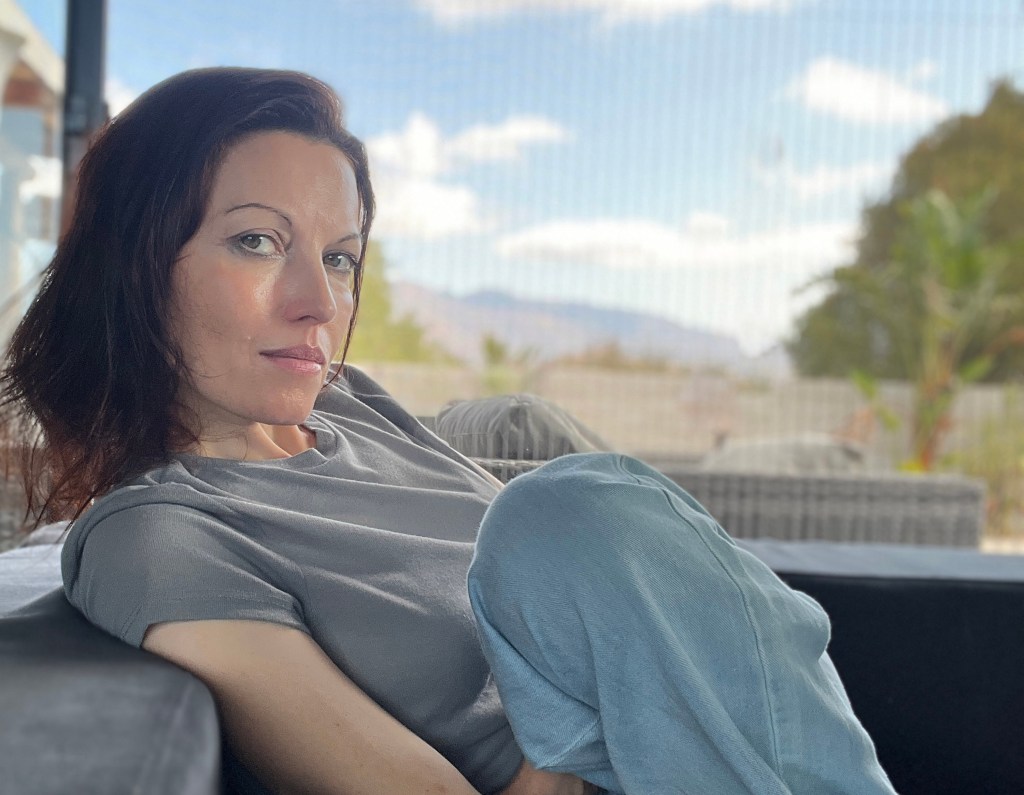
You can check out Lana on her various social media accounts at Instagram, Facebook, and YouTube as well as her official website at Lana Crow Music
And of course, you can listen to her music over at Spotify, Apple Music and other major streaming platforms.
 Fangly